Important NoteThis entire repo was AI created - including all of the data within. The intent was to A) help me with my personal electronics inventory; and B) see how I could use AI to make that process a bit easier. DO NOT TRUST!
Seeed Music Shield V1.0
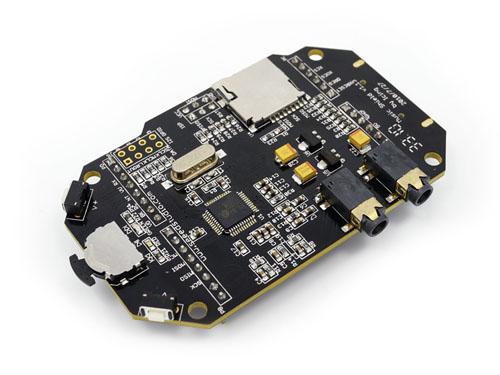
Overview
Music Shield is a professional audio codec shield for Arduino/Seeeduino. It can play sound files from SD card and do short-time recording as well. This shield supports various audio formats including MP3, WMA, WAV, AAC, MIDI, Ogg Vorbis. With this shield, you can easily turn your Arduino/Seeeduino into a portable music player.
Specifications
- Audio Codec: VS1053B
- Supported Formats: MP3, WMA, WAV, AAC, MIDI, Ogg Vorbis
- Storage: SD/MMC card (up to 2GB)
- Output: 3.5mm headphone jack, speaker terminals
- Input: Microphone input for recording
- Power: 5V from Arduino
- Dimensions: Standard Arduino shield size
Key Features
VS1053B Audio Codec
- High Quality: Professional audio decoder/encoder
- Multiple Formats: Supports most common audio formats
- Hardware Decoding: Dedicated audio processing
- Low Power: Efficient power consumption
- SPI Interface: Easy Arduino integration
Audio Capabilities
- Playback: High-quality audio playback from SD card
- Recording: Short-time audio recording capability
- Real-time: Real-time audio processing
- Variable Bitrate: Supports various bitrates
- Stereo Output: Full stereo audio support
Storage and Interface
- SD Card Slot: Standard SD/MMC card support
- File System: FAT16/FAT32 compatible
- 3.5mm Jack: Standard headphone output
- Speaker Output: Direct speaker connection
- Microphone Input: For audio recording
Arduino Integration
- Shield Compatible: Standard Arduino shield form factor
- SPI Communication: Uses SPI for VS1053B communication
- Pin Efficient: Minimal pin usage design
- Library Support: Dedicated Arduino libraries available
Pin Configuration
SPI Pins (VS1053B)
- Digital Pin 2: VS1053 reset pin
- Digital Pin 6: VS1053 chip select (control)
- Digital Pin 7: VS1053 data chip select
- Digital Pin 8: VS1053 data request
- Digital Pin 9: VS1053 card chip select
Standard SPI
- Digital Pin 11: SPI MOSI
- Digital Pin 12: SPI MISO
- Digital Pin 13: SPI SCK
Available Pins
- Digital Pins 0, 1, 3, 4, 5, 10: Available for other uses
- Analog Pins A0-A5: Available for other uses
Audio Formats Supported
Playback Formats
- MP3: MPEG-1/2 Audio Layer 3
- WMA: Windows Media Audio
- WAV: Waveform Audio File Format
- AAC: Advanced Audio Coding
- MIDI: Musical Instrument Digital Interface
- Ogg Vorbis: Open source audio format
Recording Formats
- WAV: Uncompressed audio recording
- IMA ADPCM: Compressed audio format
- PCM: Pulse Code Modulation
Quality Settings
- Bitrates: Variable bitrate support
- Sample Rates: Multiple sample rate options
- Stereo/Mono: Both stereo and mono support
- Quality: Adjustable quality settings
Hardware Components
VS1053B Decoder
- Dedicated DSP: Hardware audio processing
- Low Latency: Real-time audio processing
- High Quality: Professional audio quality
- Multiple Formats: Wide format support
- SPI Interface: Easy microcontroller integration
Audio Amplifier
- Built-in Amp: Integrated audio amplifier
- Speaker Drive: Can drive small speakers directly
- Headphone Output: Standard 3.5mm jack
- Volume Control: Software volume control
- Low Noise: Clean audio output
Storage Interface
- SD Card Slot: Standard SD/MMC slot
- SPI Access: Shared SPI bus with audio codec
- File System: Standard file system support
- Large Capacity: Support for large audio libraries
Programming
Arduino Libraries
- VS1053 Library: Dedicated VS1053 control library
- SD Library: Standard Arduino SD card library
- SPI Library: Hardware SPI communication
- Custom Libraries: Community-developed libraries
Basic Usage
#include <SPI.h>
#include <SD.h>
#include <VS1053.h>

VS1053 player(6, 7, 2, 9);

void setup() {
  player.begin();
  SD.begin(9);
}

void loop() {
  player.playMP3("song.mp3");
}
Advanced Features
- Playlist Management: Create and manage playlists
- Volume Control: Software volume adjustment
- Equalizer: Built-in equalizer settings
- Recording: Audio recording functionality
- Real-time Effects: Audio processing effects
Applications
Music Players
- Portable Player: Battery-powered music player
- Home Audio: Home automation audio system
- Alarm Clock: Musical alarm clock
- Notification System: Audio notification system
Interactive Projects
- Sound Effects: Game or project sound effects
- Voice Prompts: Spoken instructions or feedback
- Musical Instruments: Electronic musical instruments
- Audio Art: Interactive audio installations
Educational Use
- Audio Learning: Language learning systems
- Music Education: Musical education tools
- Electronics Learning: Audio electronics education
- Programming Practice: Audio programming exercises
Power Requirements
Power Consumption
- Idle: ~20mA
- Playback: ~50-80mA (depending on volume)
- Recording: ~60-90mA
- Peak: ~100mA maximum
Power Supply
- Voltage: 5V from Arduino
- Current: Adequate 5V supply required
- Battery: Can run from battery power
- External: May need external power for high volume
File Management
SD Card Requirements
- Format: FAT16 or FAT32
- Capacity: Up to 2GB supported
- Speed: Class 4 or higher recommended
- Files: Standard 8.3 filename format preferred
File Organization
- Root Directory: Place audio files in root
- Subdirectories: Limited subdirectory support
- Naming: Use simple filenames
- Formats: Multiple format support
Troubleshooting
Audio Issues
- No Sound: Check connections and power
- Poor Quality: Verify file format and bitrate
- Distortion: Check volume levels and power supply
- Skipping: Use faster SD card or lower bitrate
SD Card Issues
- Not Recognized: Check card format and connections
- File Errors: Verify file system and file names
- Slow Access: Use faster SD card
- Corruption: Check power stability during operation
Communication Issues
- SPI Conflicts: Check for SPI bus conflicts
- Pin Conflicts: Verify pin assignments
- Library Issues: Use compatible library versions
- Reset Problems: Check reset pin connections
Package Contents
- 1x Seeed Music Shield V1.0 (assembled)
- Documentation and example code links
- Schematic and library access
Important Notes
- Discontinued: This version is no longer in production
- SD Card Limit: 2GB maximum capacity
- Power Requirements: Needs adequate 5V power supply
- SPI Sharing: Shares SPI bus with SD card
- File Formats: Some formats may have limitations
Advantages
- High Quality: Professional audio codec
- Multiple Formats: Wide format support
- Easy Integration: Simple Arduino shield interface
- Recording Capable: Can record audio
- Cost Effective: Affordable audio solution
Limitations
- Discontinued: No longer in production
- SD Capacity: Limited to 2GB cards
- Power Hungry: Relatively high power consumption
- Pin Usage: Uses several digital pins
- File System: Limited file system features
Alternatives
For new projects, consider:
- Seeed Music Shield V2: Updated version with improvements
- DFPlayer Mini: Compact MP3 player module
- ESP32 Audio: Built-in audio capabilities
- Adafruit Music Maker: Alternative audio shield
Recommended Accessories
- SD card (2GB or smaller, FAT16/FAT32)
- 3.5mm headphones or speakers
- External power supply for high volume
- Microphone for recording (if supported)
- Audio files in supported formats