Important NoteThis entire repo was AI created - including all of the data within. The intent was to A) help me with my personal electronics inventory; and B) see how I could use AI to make that process a bit easier. DO NOT TRUST!
Vintage Seven Segment Displays
Details
- Location: Cabinet-1, Bin 20
- Category: Seven Segment Displays
- Type: 7-Segment LED Numeric Display
- Color: Red (typical vintage)
- Size: Mixed sizes (vintage collection)
- Quantity: 28 units
- Era: Vintage/Retro electronics
Image
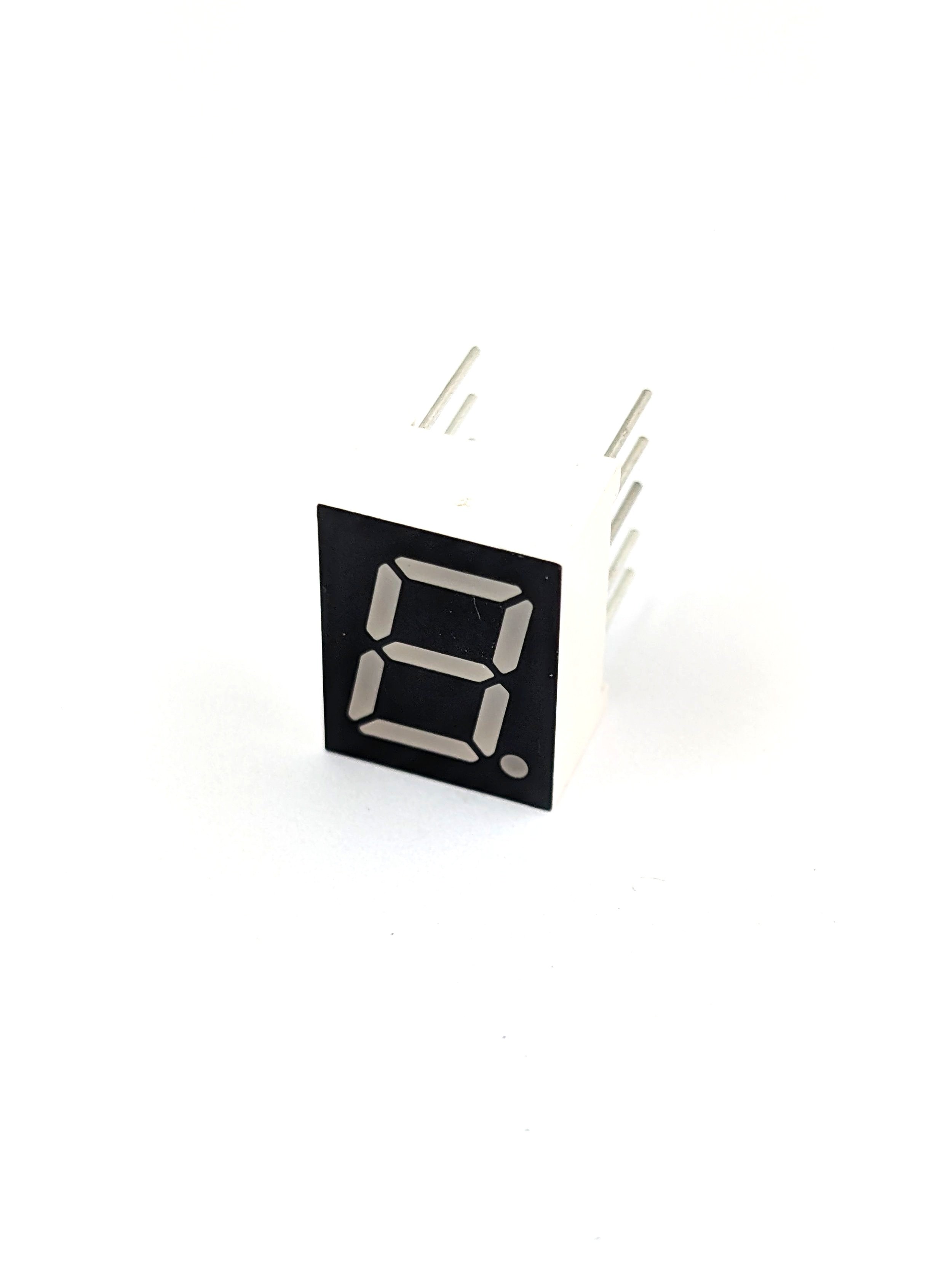
Description
Collection of 28 vintage seven segment LED displays from various manufacturers and eras. These classic displays represent the early days of digital electronics and are perfect for retro projects, educational demonstrations, or restoration work.
Specifications
- Segments: 7-segment numeric display
- Emitting Color: Red (typical for vintage displays)
- Polarity: Mixed (common anode and common cathode)
- Size Range: Various vintage sizes
- Package: Through-hole DIP style
- Era: 1970s-1990s vintage electronics
- Interface: Parallel (direct segment control)
Features
- Authentic Vintage: Original displays from the early digital era
- Mixed Collection: Various sizes and manufacturers
- Classic Red Color: Traditional LED red from vintage era
- Through-hole: Easy breadboard and PCB mounting
- Educational Value: Great for learning digital electronics history
- Retro Aesthetic: Perfect for vintage-style projects
Typical Pinout
- Common Pin: Either common anode or common cathode (varies by unit)
- Segment Pins: Individual pins for segments A, B, C, D, E, F, G
- Decimal Point: Most units include decimal point segment
Applications
- Retro clock projects
- Vintage calculator restoration
- Educational electronics demonstrations
- Hobbyist vintage computer projects
- Digital counter displays
- Scoreboard projects
- Retro gaming displays
- Electronics history demonstrations
- Prototype numeric displays
Interface Requirements
- Microcontroller: Any MCU with sufficient GPIO pins
- Current Limiting: Resistors required for each segment
- Polarity Testing: Test each display to determine common anode/cathode
- Driver ICs: Compatible with vintage driver chips like 7447, 7448
- Power Supply: Typically 5V operation
Notes
- Mixed Specifications: Each display may have different characteristics
- Test Before Use: Verify polarity and pinout for each unit
- Vintage Condition: Some units may show age-related characteristics
- No Datasheets: Specifications based on typical vintage displays
- Historical Value: Represents early LED display technology
- Current Limiting: Always use appropriate resistors to prevent damage
Usage Tips
- Test each display individually to determine pinout
- Use a multimeter to identify common pin and polarity
- Start with higher value resistors and adjust for desired brightness
- Some displays may have slightly different forward voltages
- Consider the vintage nature when planning project reliability
Historical Context
These displays represent the transition from nixie tubes and incandescent displays to modern LED technology. They were commonly used in early calculators, digital clocks, and test equipment from the 1970s through 1990s.
Tags
led-display, seven-segment, vintage, numeric, red, retro